Data Quality Management
Data Quality
Management

industry
Public Sector
technology used:

Contact
Let's talk
Data Quality Management
Data Quality
Management
industry
Public Sector
technology used:
Custom-Made
Data Quality Solution
Outline of the Challenge:
A public sector company faced significant challenges with data quality across its diverse and complex data sources. Inconsistent data quality led to inaccuracies in reporting, compliance issues, and inefficiencies in decision-making processes.

The company required a robust solution that could unify business and technical stakeholders to define data quality (DQ) rules and execute these rules seamlessly across various platforms. The solution needed to provide detailed data quality reports and dashboards, highlighting erroneous records for further inspection.
Proposed Solution

Data Hiro proposed a custom-made data quality solution based on an enterprise data model, developed using Python. This solution enabled collaboration between business and technical teams to define model-driven DQ rules. The solution was designed to execute DQ rules on any platform and present the results in a reporting platform with comprehensive dashboards and detailed data quality reports.
Team Size
1 Python and 1 Reporting Expert
Data Quality Management
Project Journey
1
Requirement Analysis and Planning:
○ Conducted in-depth consultations with both business and technical stakeholders to understand their data quality challenges and requirements.
○ Defined the project scope, objectives, and key performance indicators (KPIs) for measuring success.
○ Developed a detailed project plan outlining timelines, milestones, and resource allocation.
2
Design and Prototyping:
○ Designed the enterprise data model to serve as the foundation for defining data quality rules.
○ Created prototypes of the DQ solution, showcasing how rules could be defined, executed, and reported.
○ Iteratively refined the design based on feedback from stakeholders to ensure it met their needs.
3
Development and Integration:
○ Developed the custom DQ solution using Python, enabling flexible and powerful data processing capabilities.
○ Built an interface for business and technical teams to collaboratively define DQ rules based on the enterprise data model.
○ Integrated the solution with various data platforms to ensure it could execute DQ rules across different systems.
○ Ensured the solution could generate comprehensive data quality reports and dashboards, providing insights into data issues and their impact.
4
Deployment and Training:
○ Deployed the solution in a phased approach to minimize disruption and ensure smooth adoption.
○ Provided extensive training sessions for both business and technical users, ensuring they could effectively use the solution to define and manage DQ rules.
○ Offered continuous support and troubleshooting during the initial rollout phase.
5
Monitoring and Optimization:
○ Implemented monitoring tools to track the performance and effectiveness of the DQ solution.
○ Collected feedback from users to identify areas for further improvement.
○ Made ongoing enhancements to optimize the solution’s functionality and user experience.
1
○ Conducted in-depth consultations with both business and technical stakeholders to understand their data quality challenges and requirements.
○ Defined the project scope, objectives, and key performance indicators (KPIs) for measuring success.
○ Developed a detailed project plan outlining timelines, milestones, and resource allocation.
2
○ Designed the enterprise data model to serve as the foundation for defining data quality rules.
○ Created prototypes of the DQ solution, showcasing how rules could be defined, executed, and reported.
○ Iteratively refined the design based on feedback from stakeholders to ensure it met their needs.
3
○ Developed the custom DQ solution using Python, enabling flexible and powerful data processing capabilities.
○ Built an interface for business and technical teams to collaboratively define DQ rules based on the enterprise data model.
○ Integrated the solution with various data platforms to ensure it could execute DQ rules across different systems.
○ Ensured the solution could generate comprehensive data quality reports and dashboards, providing insights into data issues and their impact.
4
○ Deployed the solution in a phased approach to minimize disruption and ensure smooth adoption.
○ Provided extensive training sessions for both business and technical users, ensuring they could effectively use the solution to define and manage DQ rules.
○ Offered continuous support and troubleshooting during the initial rollout phase.
5
○ Implemented monitoring tools to track the performance and effectiveness of the DQ solution.
○ Collected feedback from users to identify areas for further improvement.
○ Made ongoing enhancements to optimize the solution’s functionality and user experience.
Results
The implementation of the custom DQ solution significantly enhanced the quality of the company's data, reducing inaccuracies and ensuring more reliable information for decision-making.
The solution facilitated collaboration between business and technical teams, enabling them to jointly define and manage DQ rules, leading to more effective data governance.
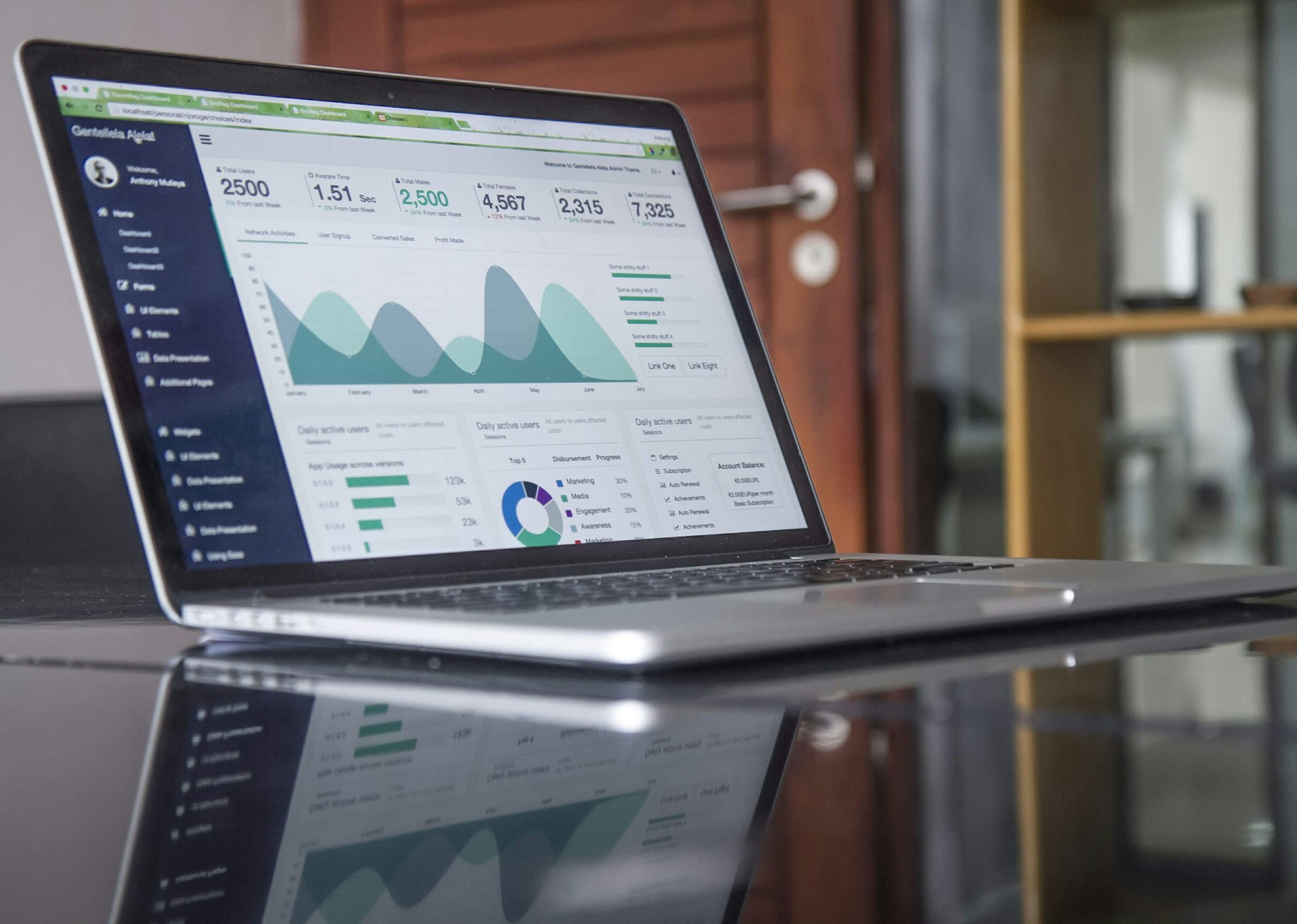
The reporting platform provided detailed dashboards and data quality reports, highlighting erroneous records and enabling users to inspect and address data issues promptly.
Automated data quality checks and detailed reporting reduced the time and effort required to identify and resolve data issues, leading to operational efficiencies.
Data Quality Management
Key findings

This case study demonstrates Data Hiro’s capability to deliver tailored data quality solutions that enhance collaboration, improve data accuracy, and provide comprehensive insights through advanced reporting and analytics.
● User Engagement: The collaborative approach to defining DQ rules ensured high engagement and buy-in from both business and technical stakeholders.
● Flexibility and Scalability: The Python-based solution proved to be highly flexible and scalable, capable of handling diverse data sources and volumes.
● Operational Transparency: Enhanced data quality reporting provided greater transparency into data issues and their impact, facilitating better decision-making.
● Compliance and Accuracy: Improved data quality ensured compliance with regulatory requirements and enhanced the accuracy of the company's reports and analyses.
Interested contact us or schedule a call!